EMPATHY / ANIMAL / POLAR BEARS / CLIMATE CHANGE
Climate change is the primary threat to polar bears, as rapidly melting Arctic sea ice reduces their ability to hunt, mate, and travel. Forced to spend more time on land, they face prolonged fasting, starvation, reduced reproduction, and increased human-wildlife conflict. Most populations could face starvation and drastic decline by 2100 if greenhouse gas emissions remain high.
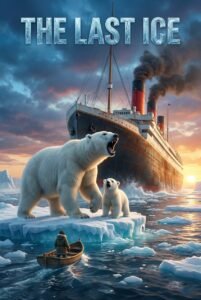
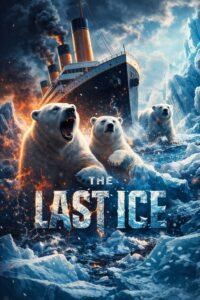
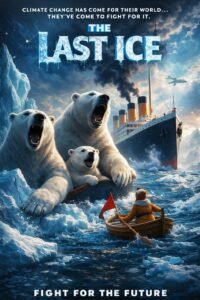
The Last Ice (2028 film)
Overview
The Last Ice is a visually staggering exploration of the fragile relationship between humanity and the natural world in the age of climate change. Set against the backdrop of a rapidly disappearing Arctic, the film follows a family of polar bears and a lone environmentalist as they fight to survive a landscape that is literally crumbling beneath them. It is a story of incredible resilience, desperate courage, and the high-stakes battle for the future of our planet.
Synopsis
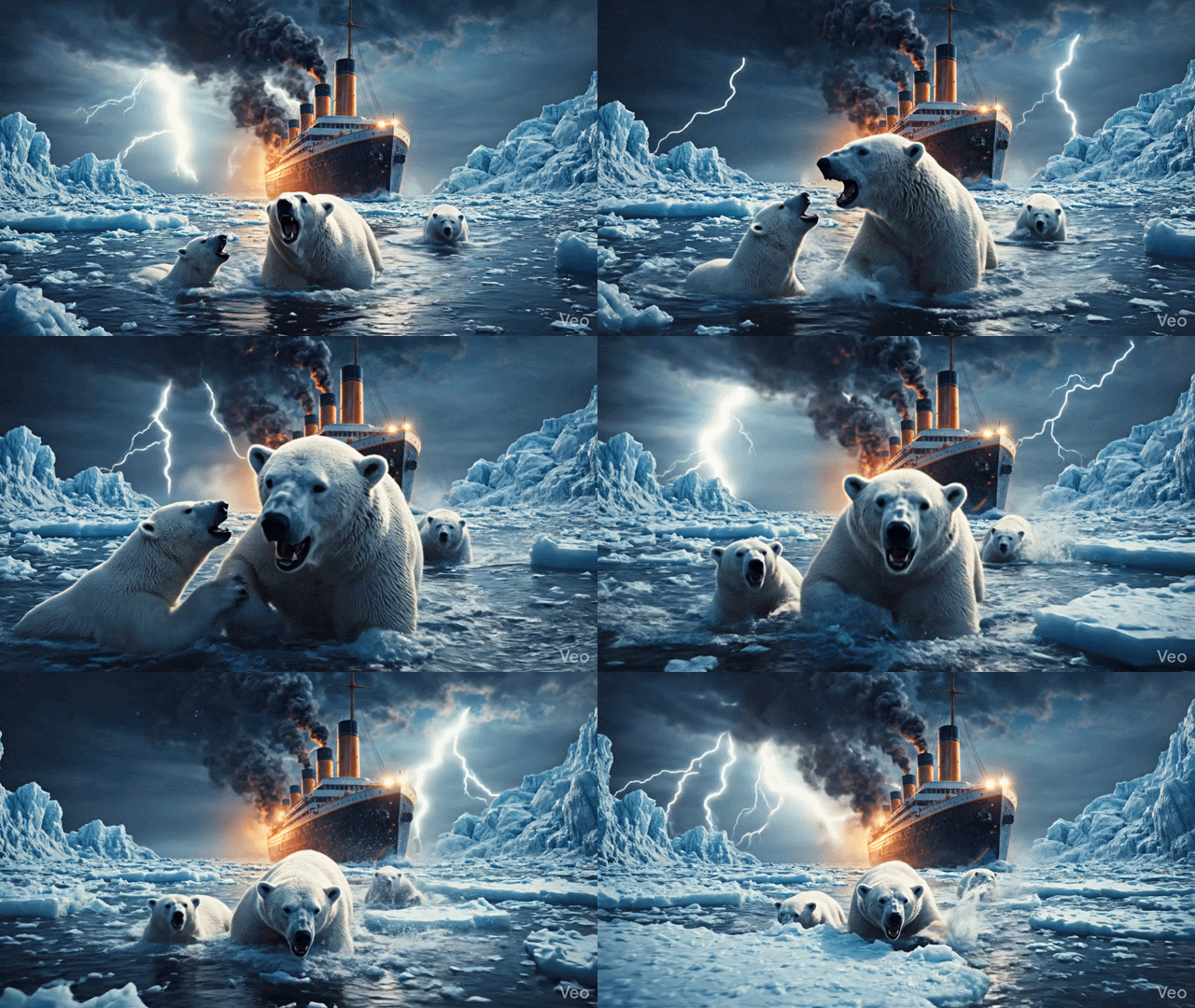
In a world on the brink, the Arctic is no longer a silent sanctuary. As global temperatures soar, a massive ocean liner—a symbol of the industrial world—navigates through the thinning ice, its smoke choking the pristine air. For a mother polar bear and her cubs, every day is now a fight for a foothold on the drifting, melting floes.
The story converges when a dedicated researcher in a small rowboat finds himself caught between the advance of a towering ship and the roar of protective, desperate bears. When a sudden, catastrophic ice shelf collapse separates the cubs from their mother, an unlikely alliance must form across the species divide. They must race against a ticking clock and a burning horizon to reach the “Permanent Pole”—the last stable sheet of ice on Earth—before the world they know dissolves into the sea.
“When everything is melting, they won’t go down without a fight.”