CREATIVITY / CREATURE / HUMAN / CLOWNS
Clowns are archetypal performers using exaggerated makeup, costumes, and physical comedy (slapstick) to disrupt social norms, evoke laughter, and represent the “sacred fool”. Rooted in ancient history, they embody the tension between chaos and order, often acting as societal mirrors. While designed for entertainment, their hidden emotions and unpredictability can cause fear (coulrophobia).
Rictus
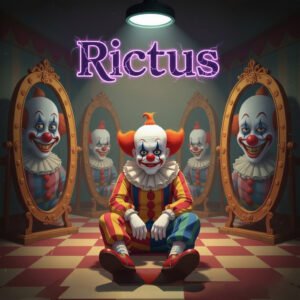
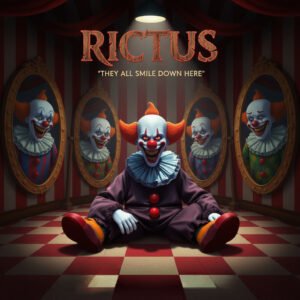
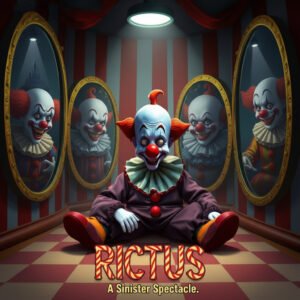
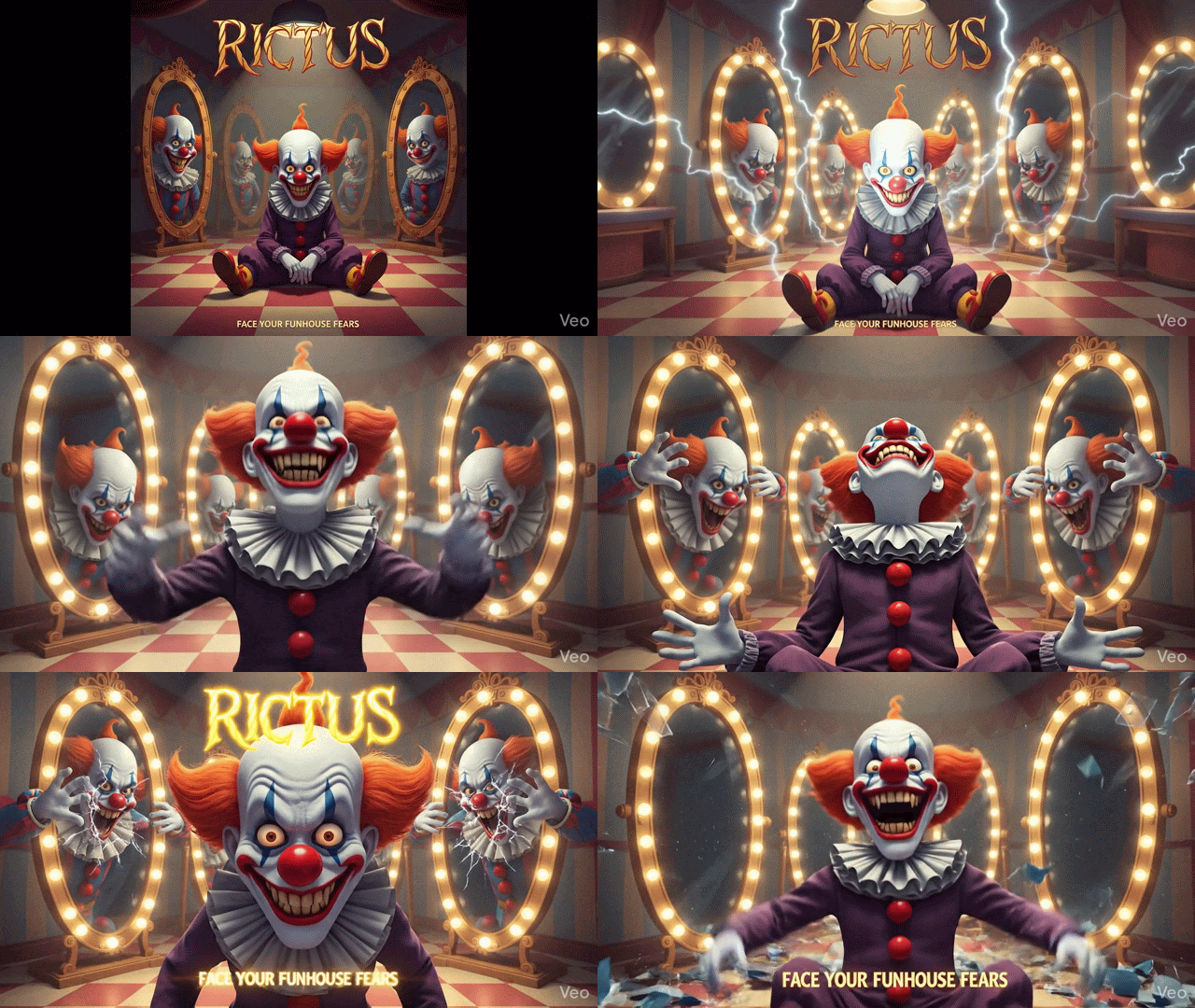
Logline: “They all smile down here.” When a modern-day teenager accidentally tunes into a haunted broadcast of a forgotten 1970s children’s puppet show, he finds himself trapped inside a surreal, shifting funhouse hosted by Rictus—a cheerful TV clown whose smile conceals a reality-bending nightmare.
Film Overview
-
Genre: Animated Psychological Horror / Surreal Thriller
-
Style: A nostalgic, textured animation style reminiscent of classic 1970s stop-motion and technicolor broadcasts, warped through a dark, modern cinematic lens. Think Coraline meets the vintage television dread of Poltergeist.
-
Tone: Unsettling, atmospheric, and dizzyingly psychedelic.
-
Themes: Coulrophobia (the fear of clowns), nostalgia weaponized as a trap, the distorting nature of television media, and facing the masks people wear.
The Plot: Prepare for the Funhouse… Your Laughter Will Be Your Last
In the fall of 1974, Rictus’s Funhouse was the most popular morning show for kids—until the entire cast, crew, and broadcasting tape vanished thin into the air during a live Halloween special. Over fifty years later, Leo, a lonely teenager with a passion for collecting vintage electronics, repairs a dusty, wood-paneled CRT television tube he found in an abandoned studio lot.
When he powers it on, the static clears to reveal a live, crisp broadcast of the lost show. But this isn’t a recording. The main character—a pale, wide-eyed clown named Rictus—stops performing his routine, turns directly toward the screen, and smiles a jagged, hyper-extended grin. Before Leo can pull the plug, a blinding strobe light violently pulls him through the screen and deposits him onto a cold, checkered tile floor under a single, harsh spotlight.
Leo wakes up trapped in the ultimate funhouse mirror maze, a distorted purgatory built from decaying 1970s studio sets, stripe-walled corridors, and endless rows of ornate, golden-framed mirrors. In this pocket reality, the laws of physics are completely broken. The reflections in the mirrors don’t show Leo; instead, they display variations of Rictus and his uncanny puppet co-stars, whispering vintage commercial jingles and mocking Leo’s growing panic.
Rictus isn’t looking to physically harm Leo—he wants something much more sinister. The entity feeds entirely on the pure energy of childhood terrors, using the familiar, brightly colored facade of a friendly clown to break down its victims’ minds until their identities are erased, turning them into just another silent reflection in the funhouse.
To find the exit code and escape back to 2026, Leo must navigate the shifting geometry of the funhouse, outsmart a troupe of mime-like marionettes, and discover the tragic 1970s secret hidden behind Rictus’s painted-on smile. But in a world where every reflection is a trap and the exit doors lead right back to the center of the stage, Leo will have to keep his wits about him—because in the funhouse, showing your fear is exactly what keeps the cameras rolling.
Why You Need to See It
-
Nostalgia Turned Into Horror: Rictus brilliantly taps into the distinct, uncanny aesthetic of vintage public access television, turning nostalgic children’s entertainment into a source of pure, claustrophobic dread.
-
Stunning Visual Metaphors: The animation masterfully utilizes mirrors and reflections to play tricks on the viewer’s eyes. Watch closely as background details warp, shadows stretch independently, and the clowns in the mirrors react just a split-second slower than they should.
-
The Ultimate Clown Thriller: Moving past standard slasher tropes, this film offers a deeply atmospheric, psychological dive into why clowns terrify us—exploring the eerie space between a painted smile and the hidden intent behind it.